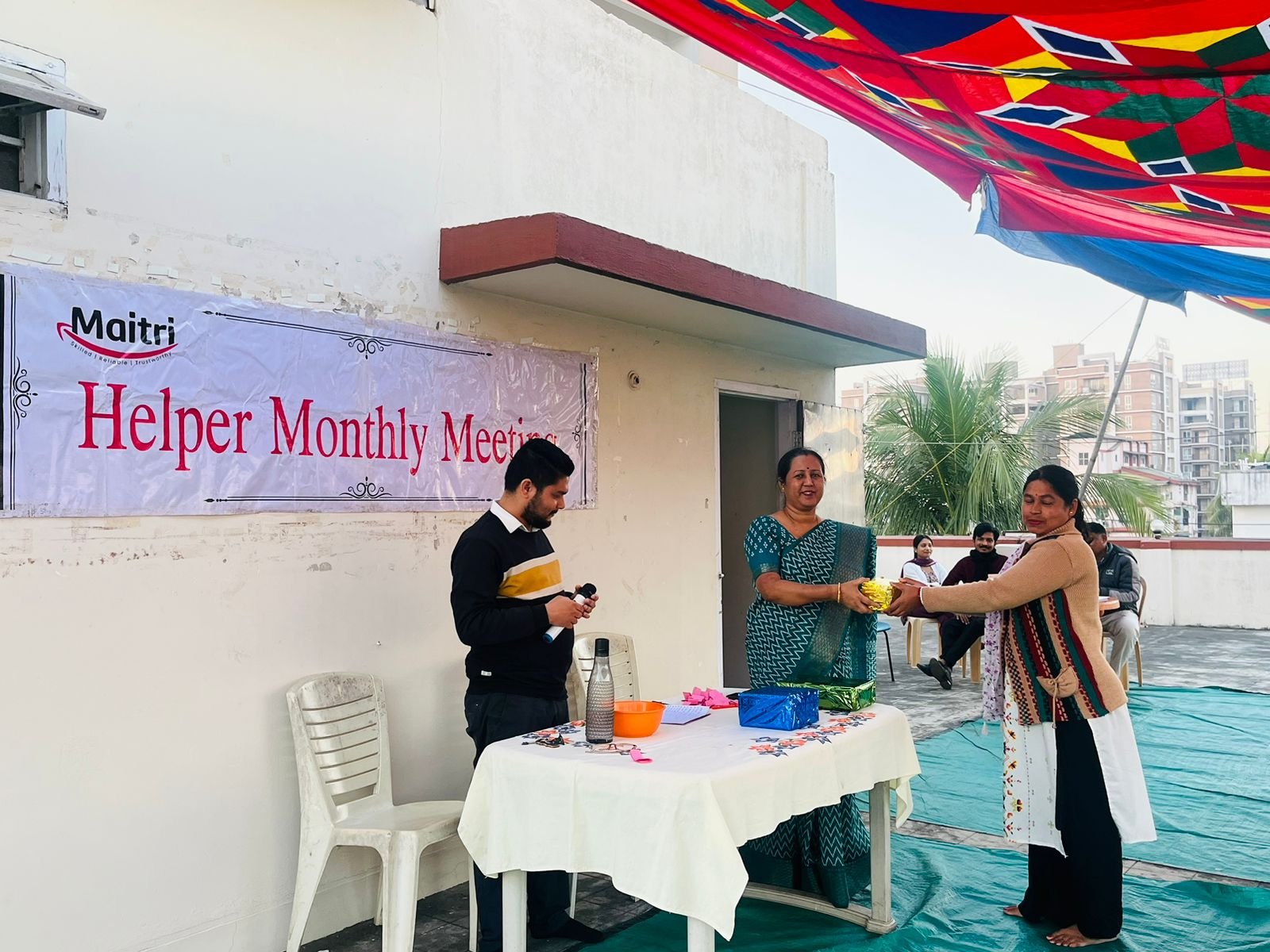
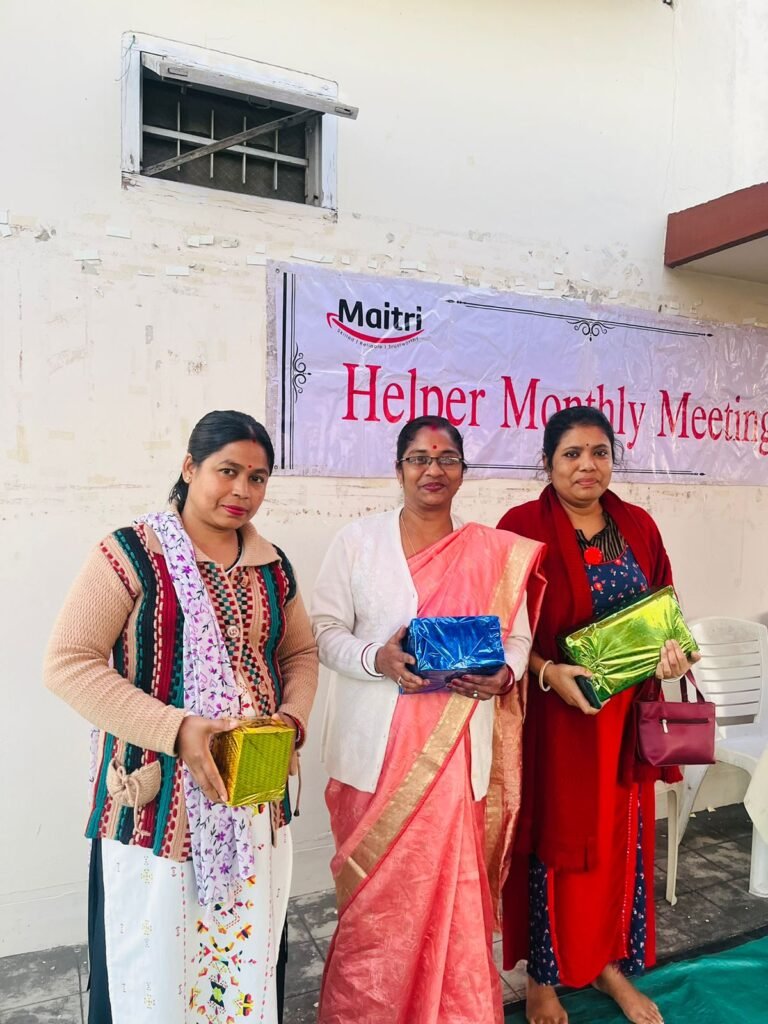
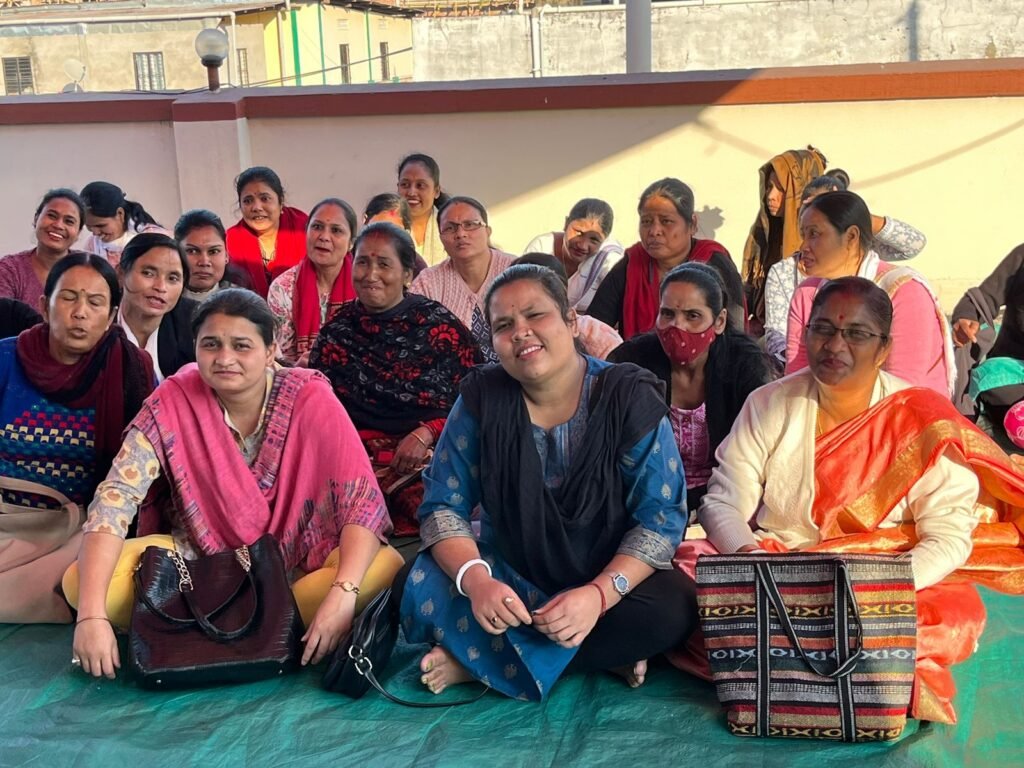
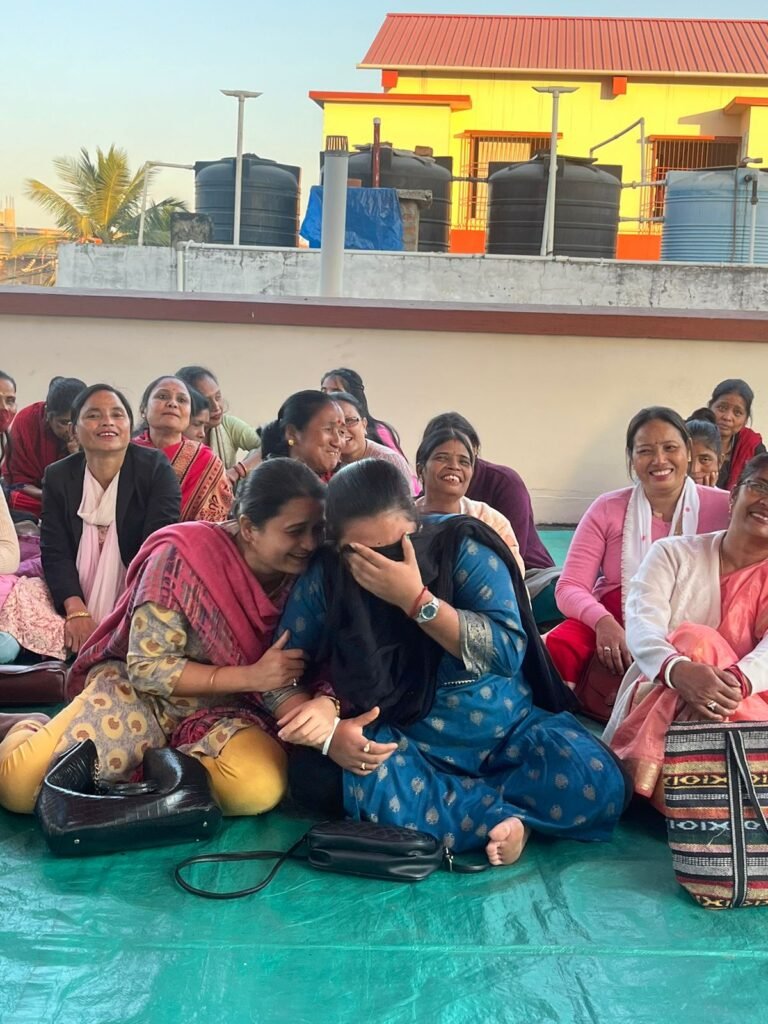
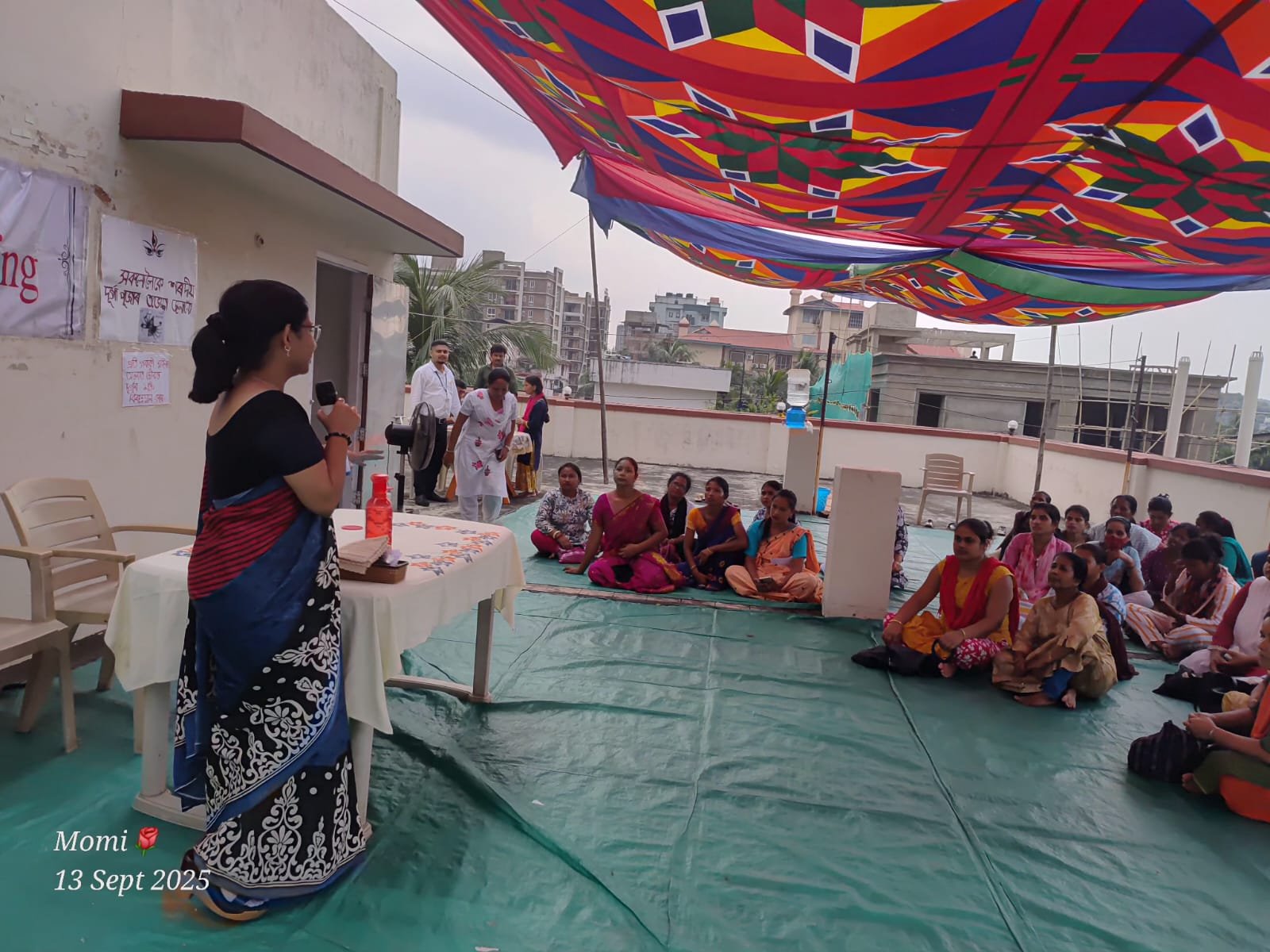
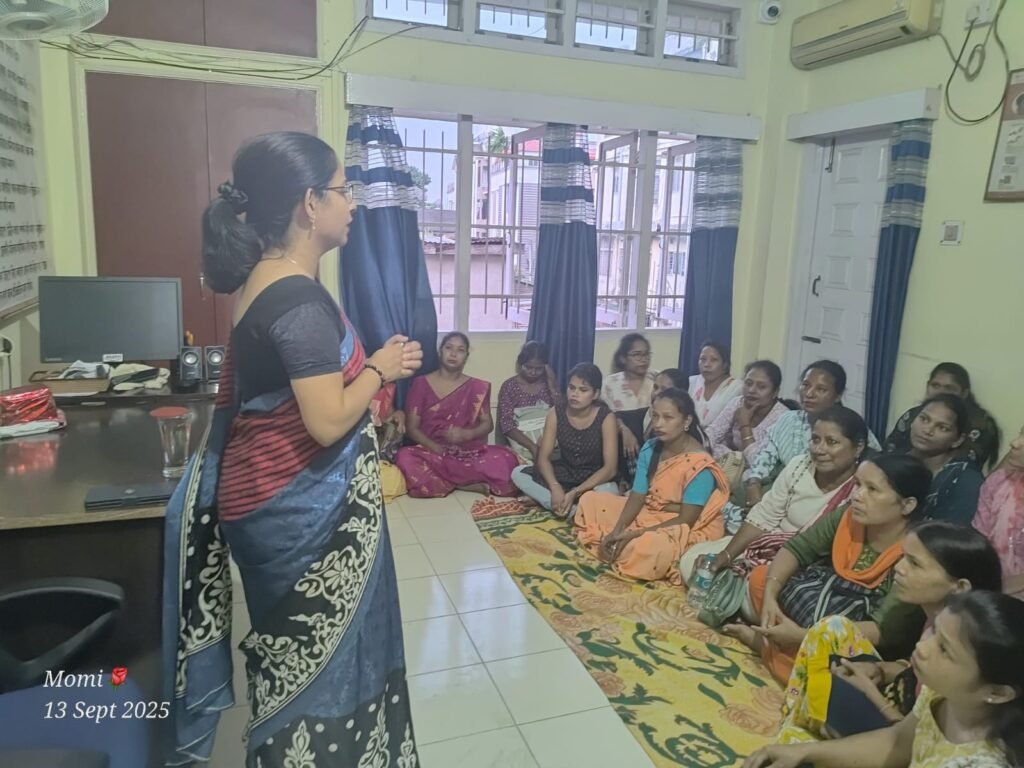
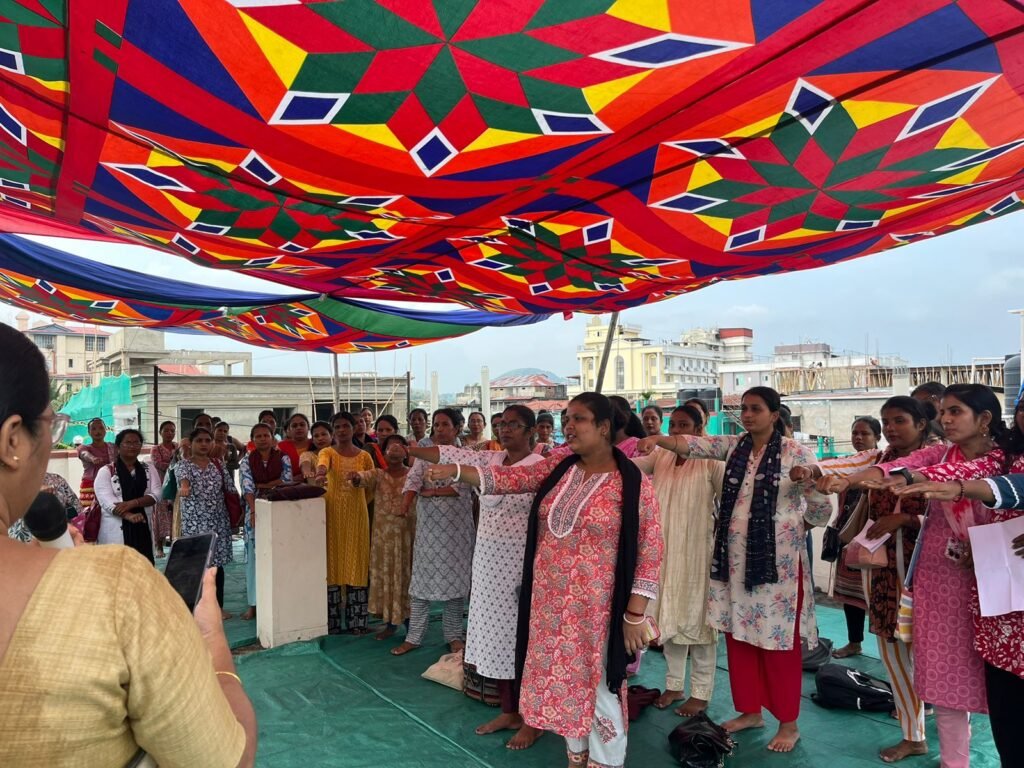
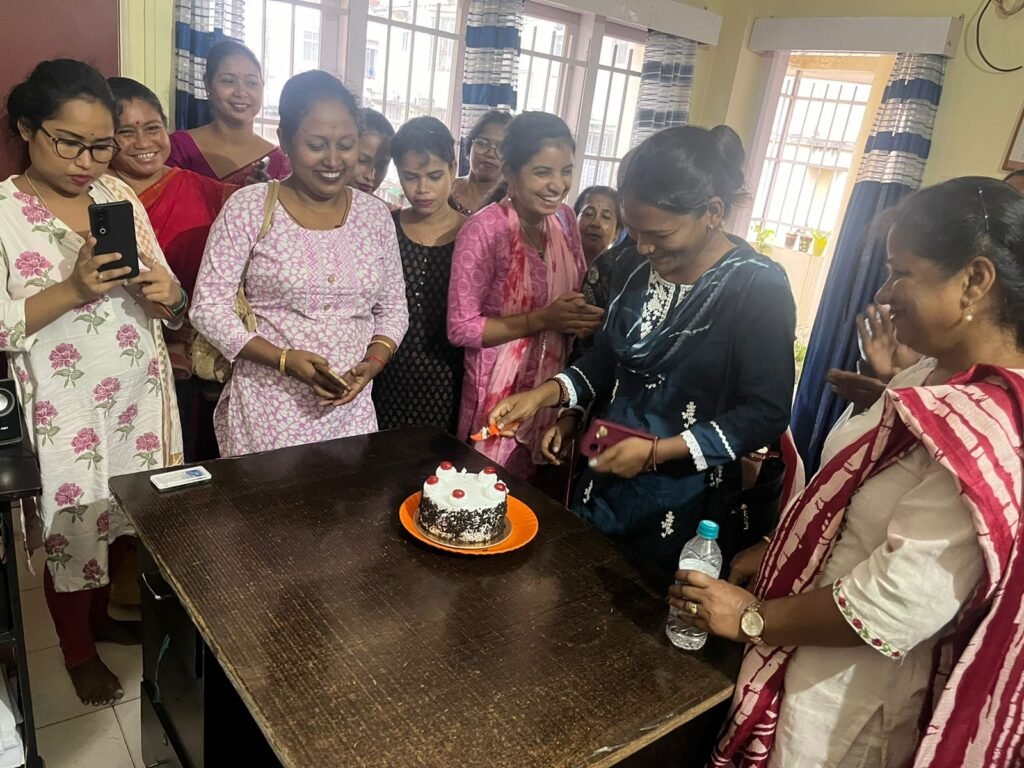
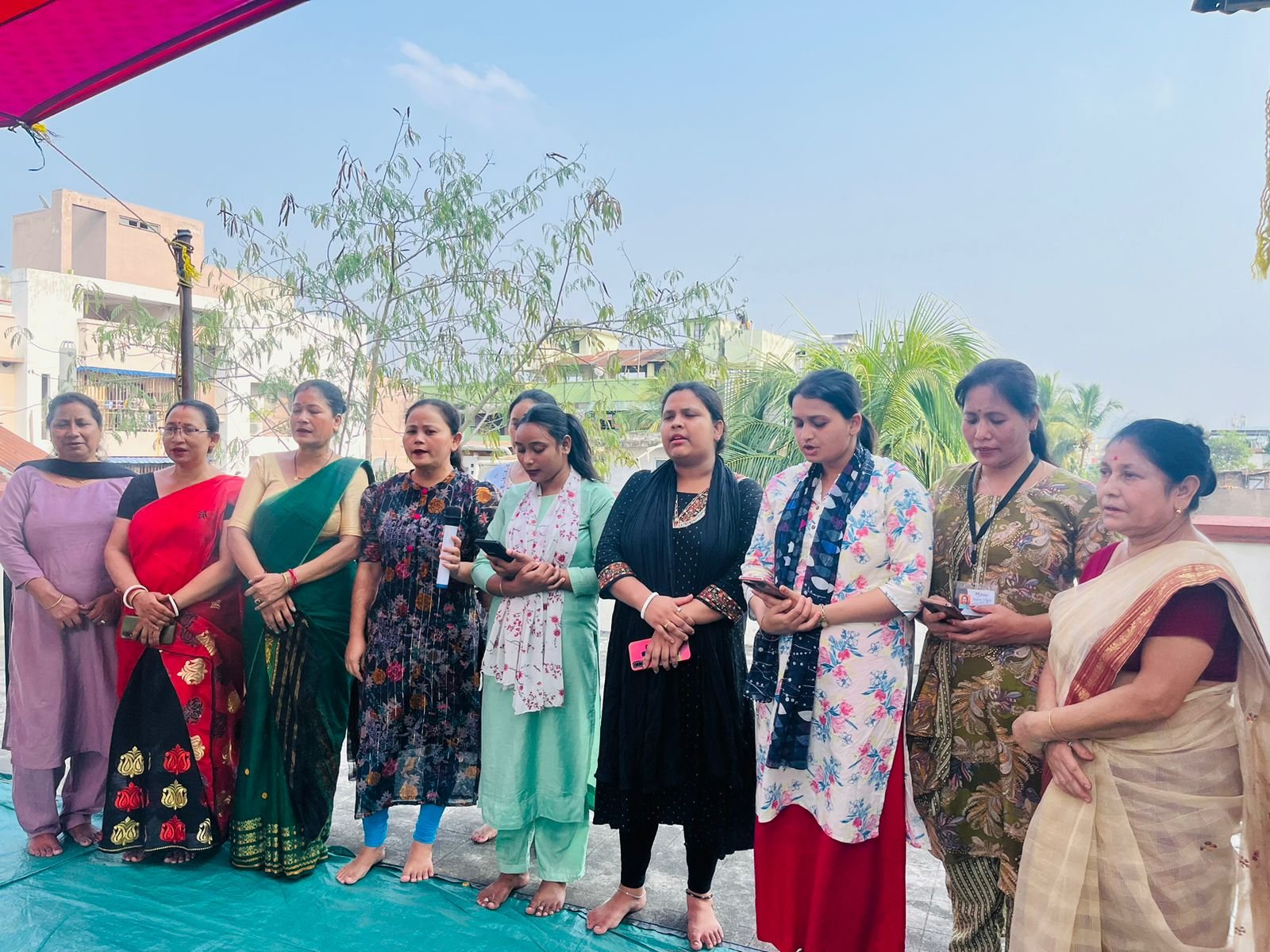
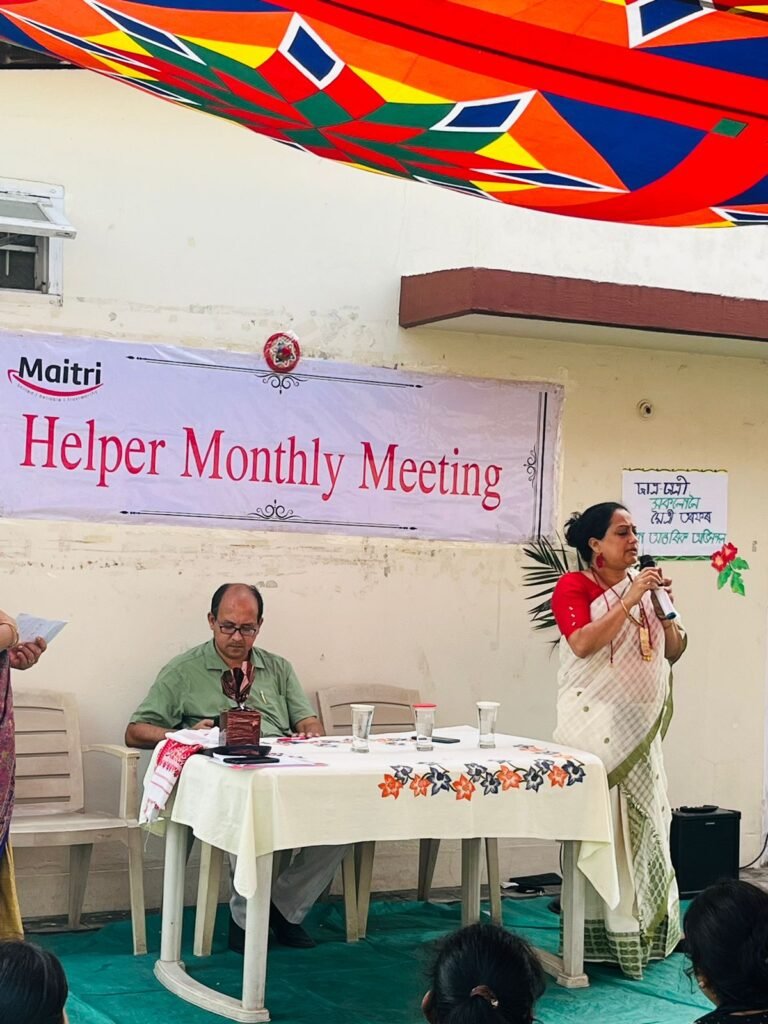
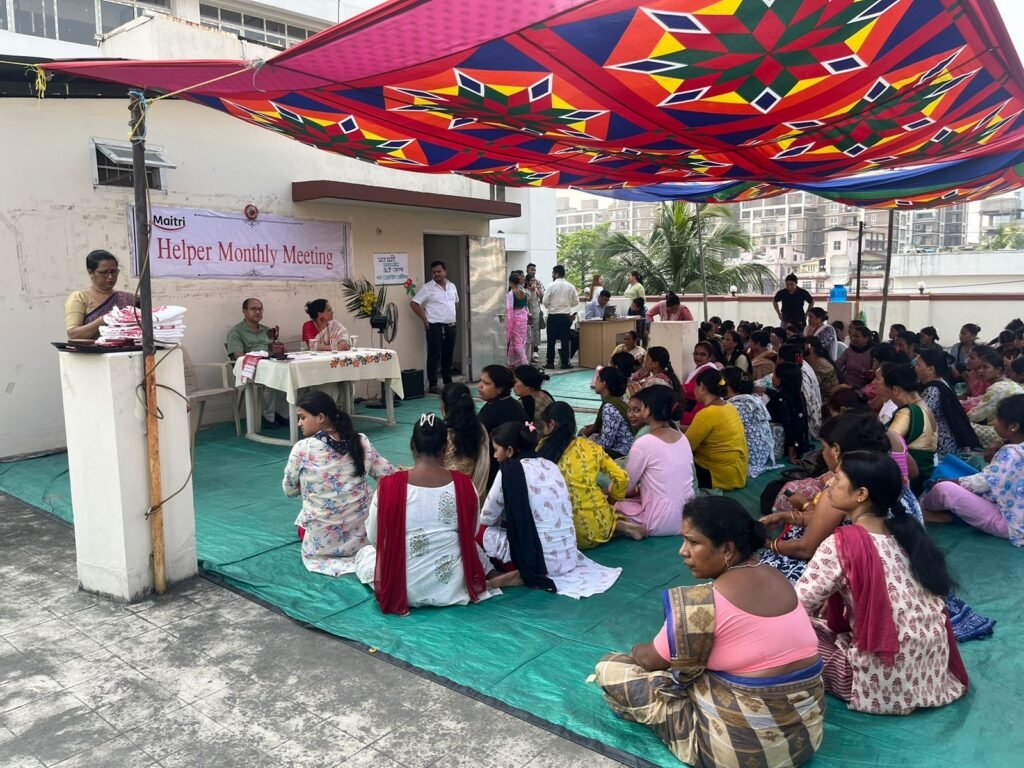
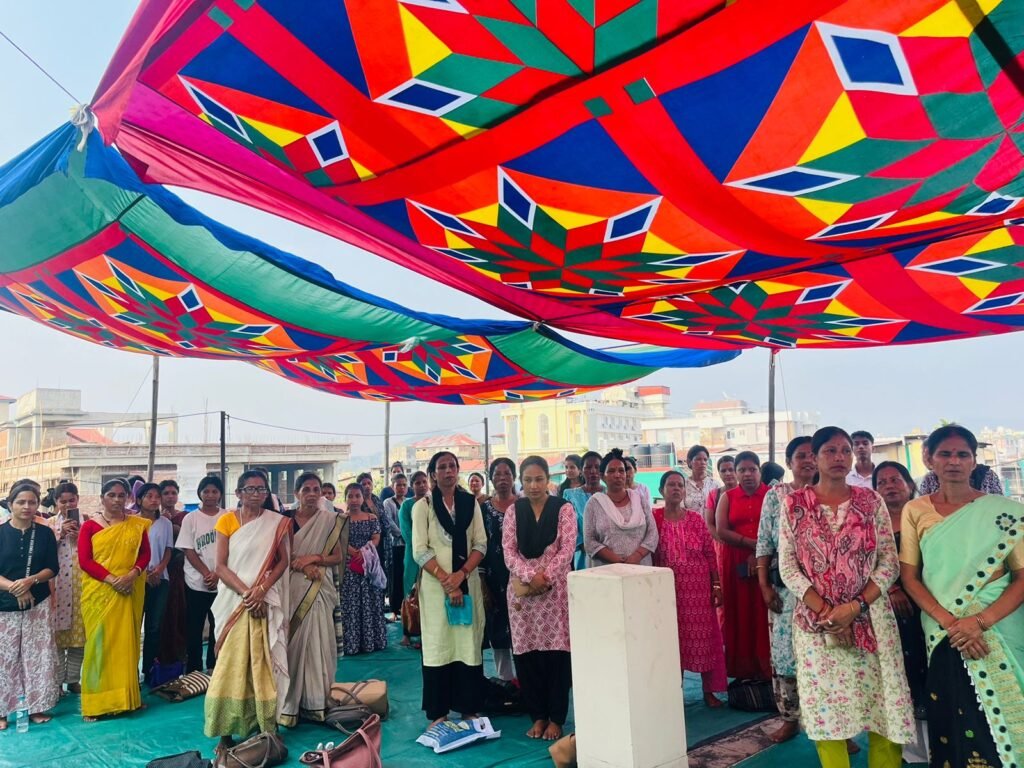
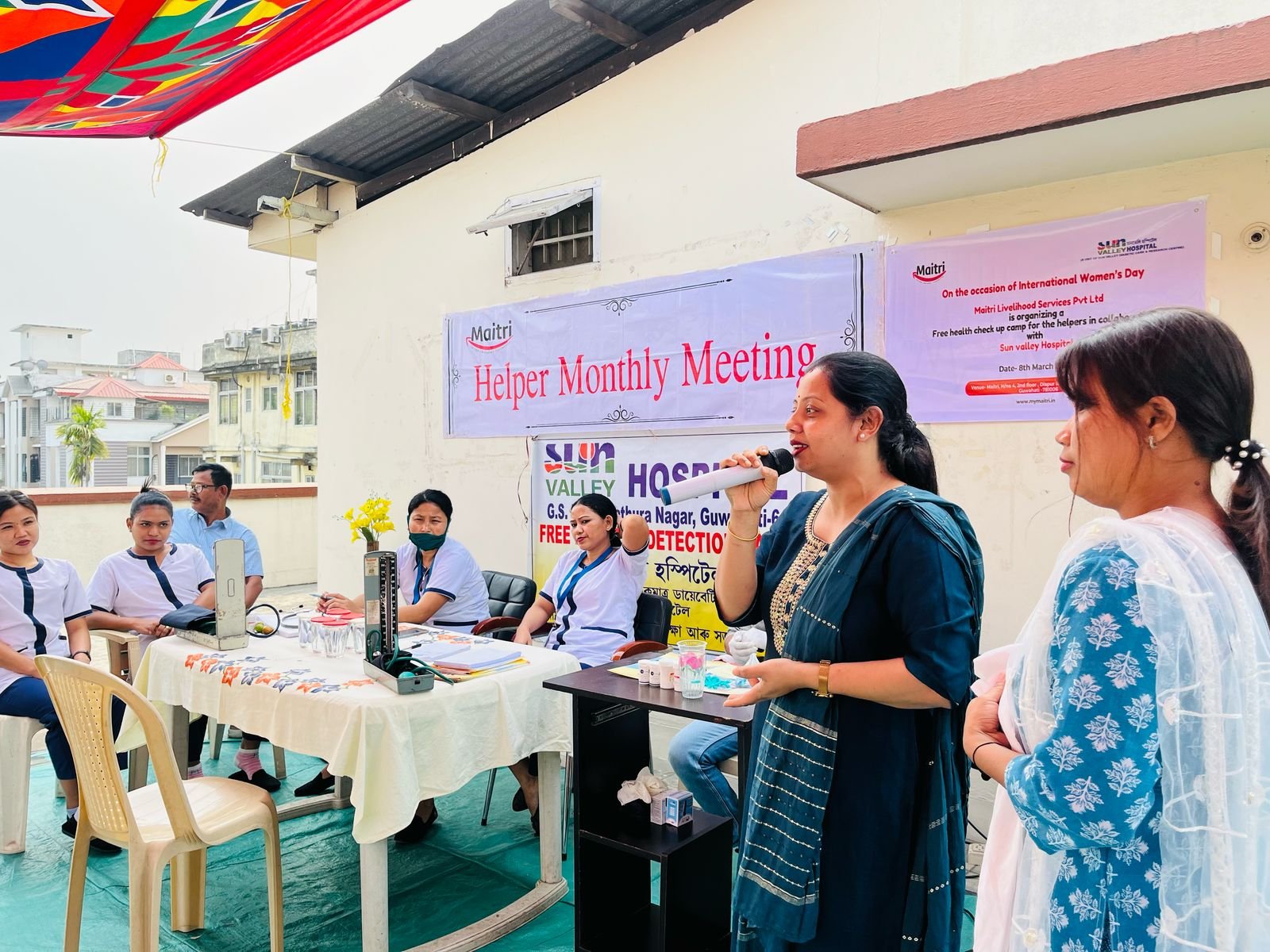
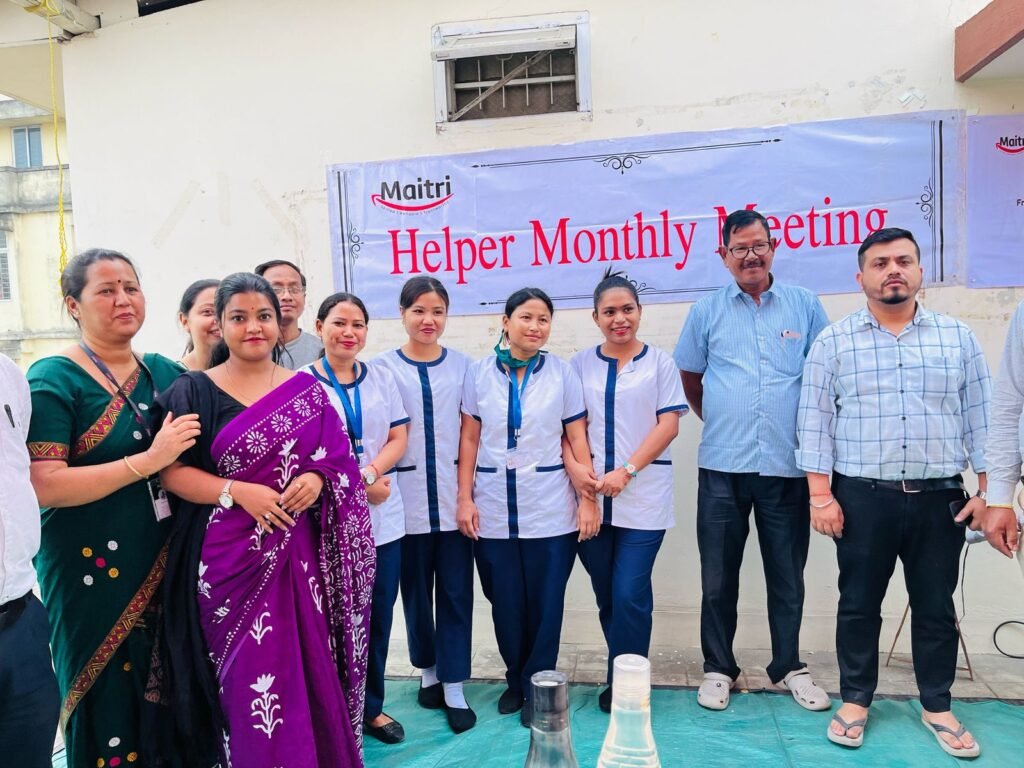
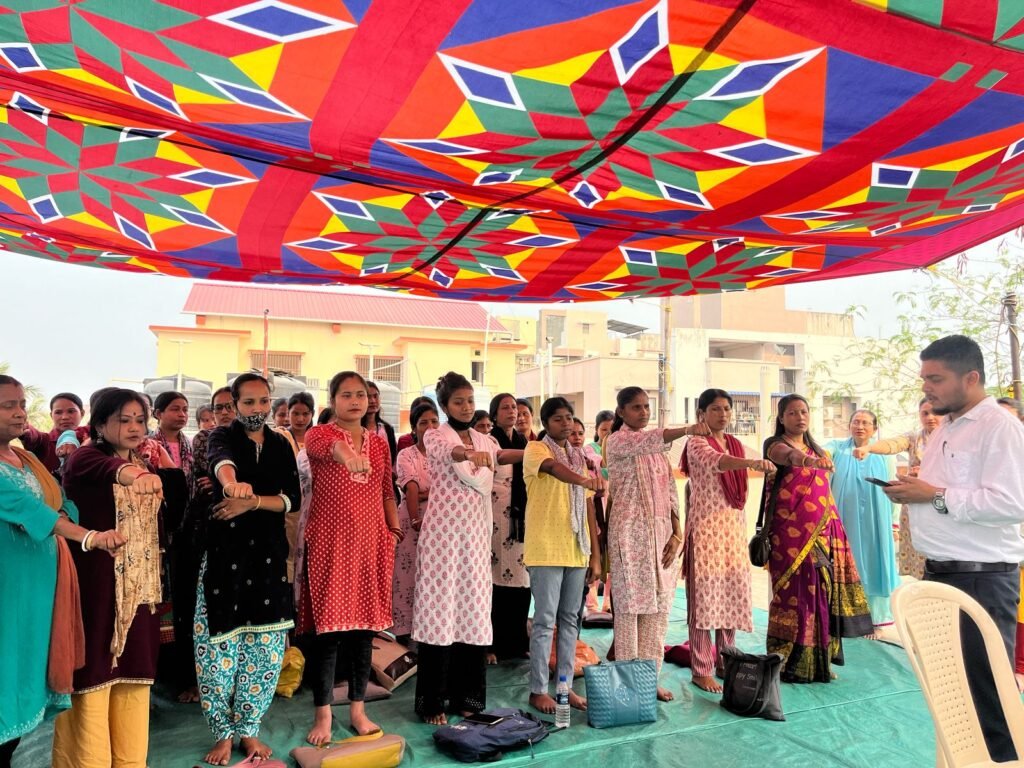
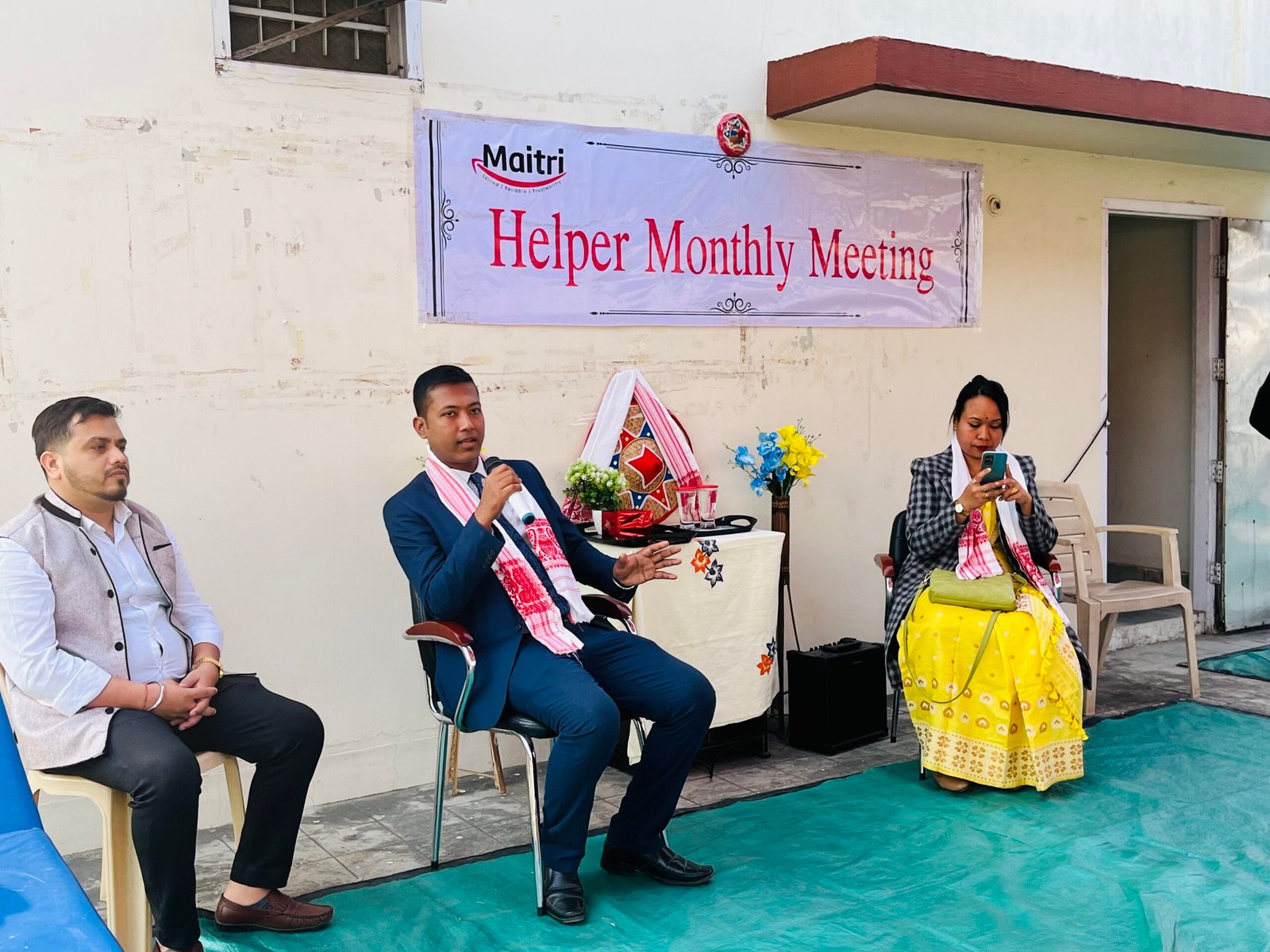
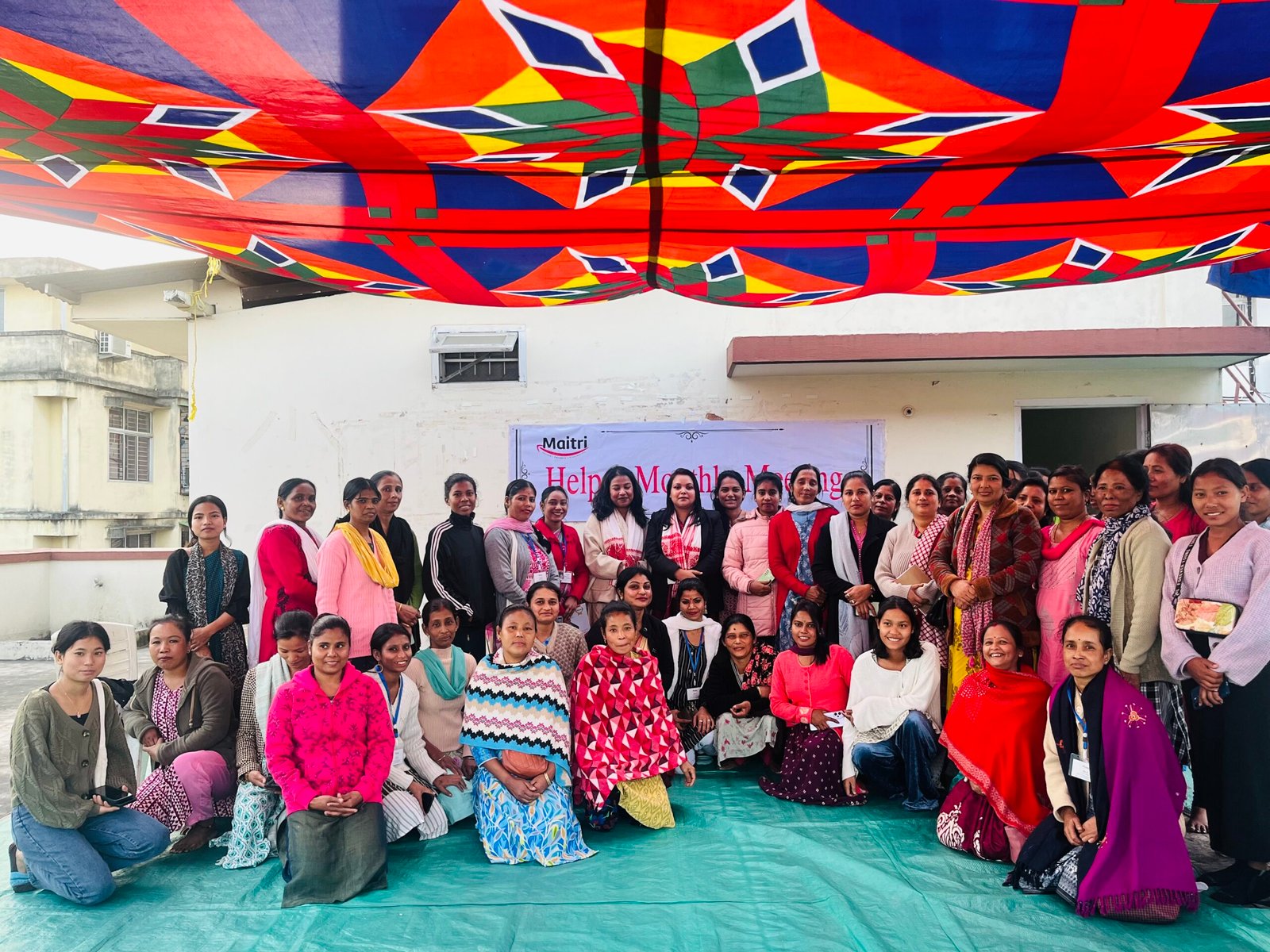
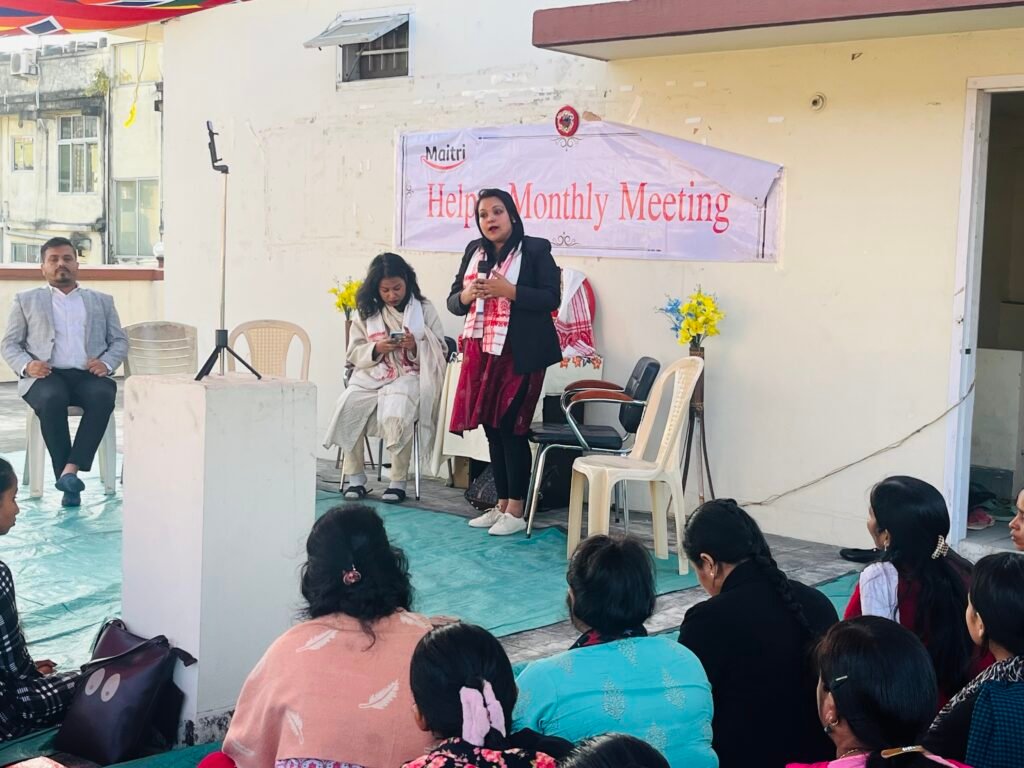
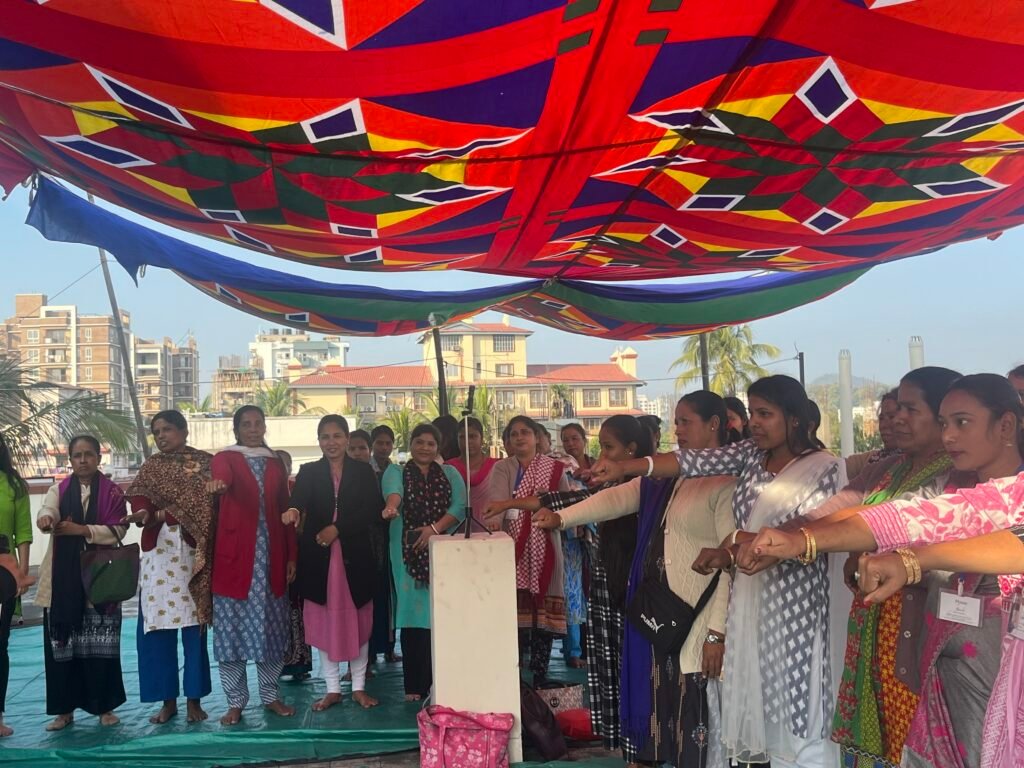
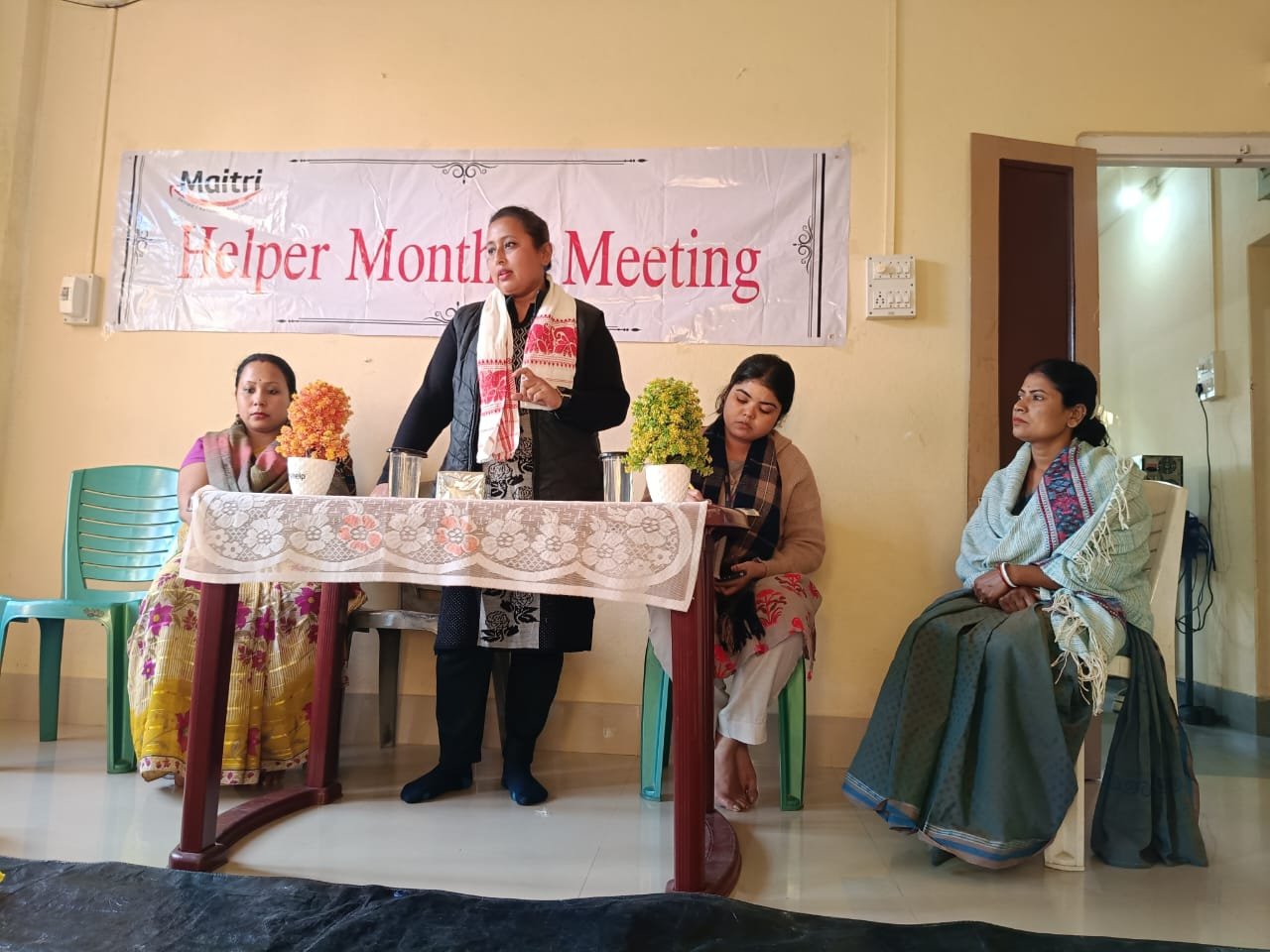
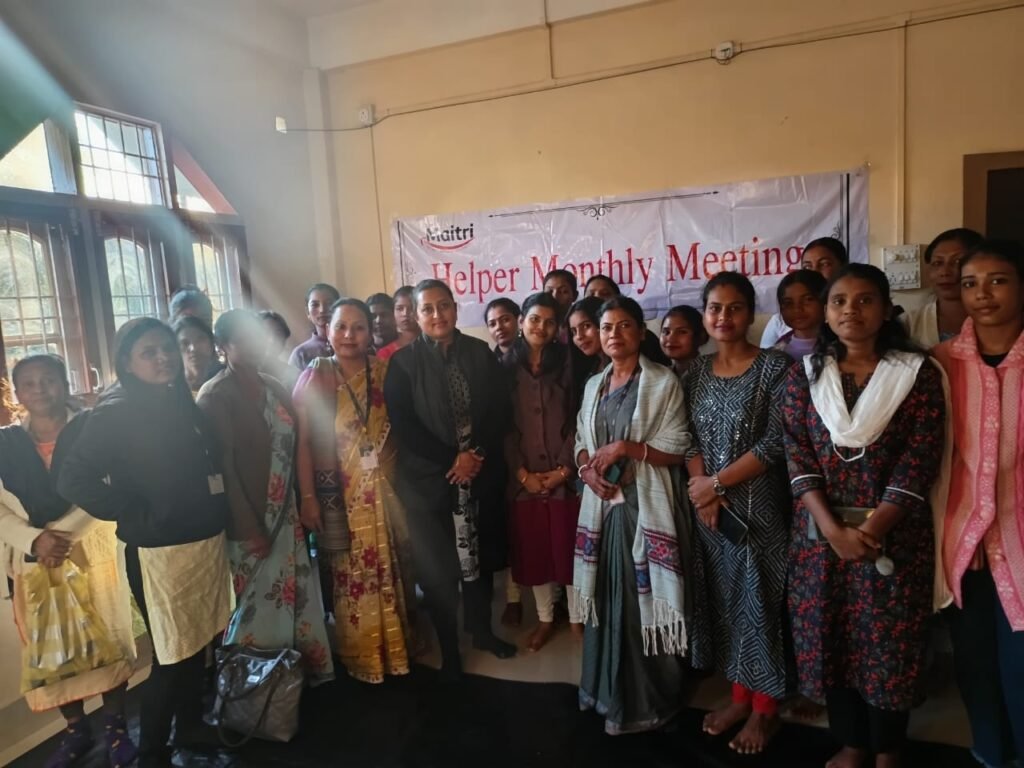
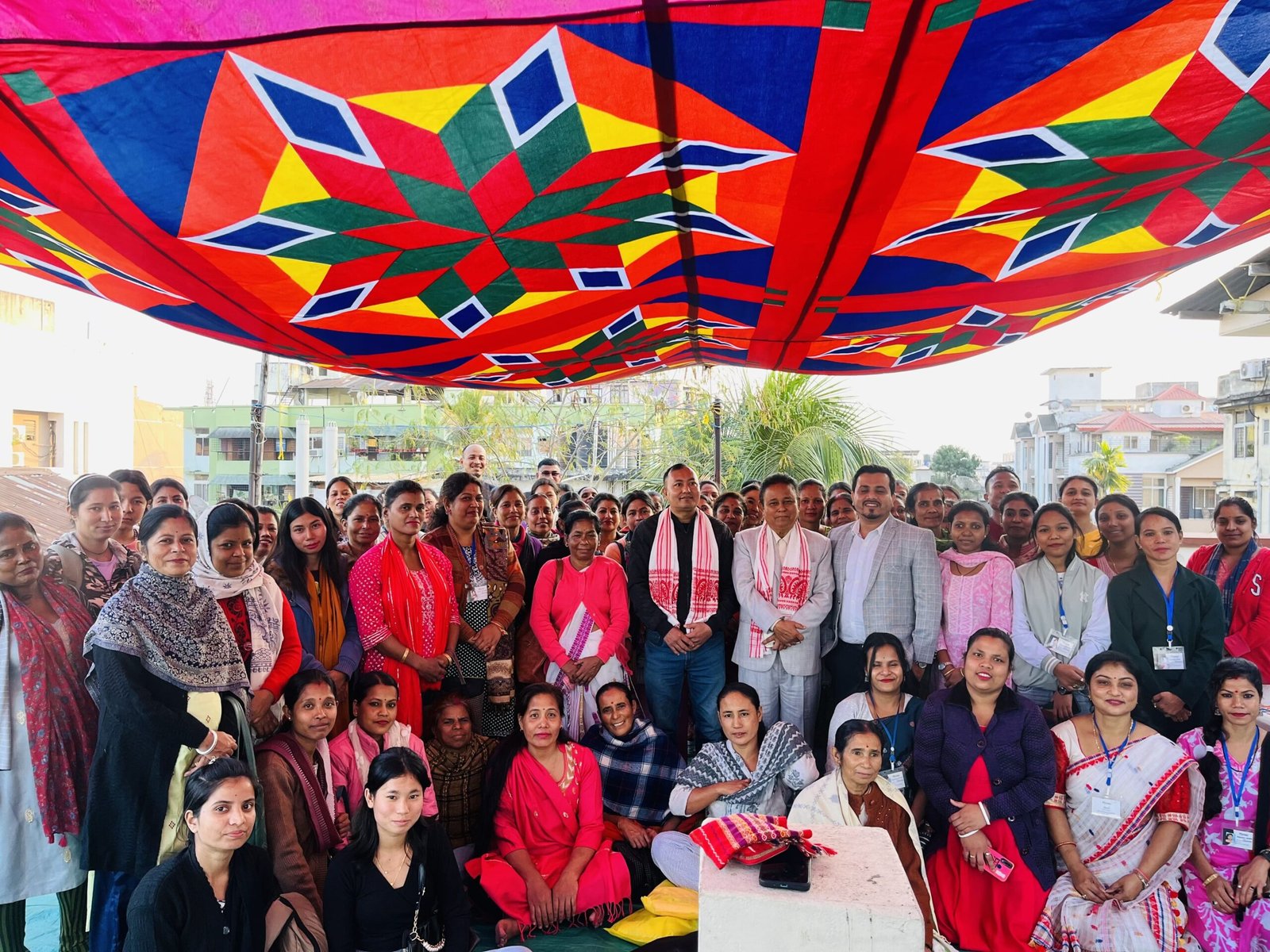
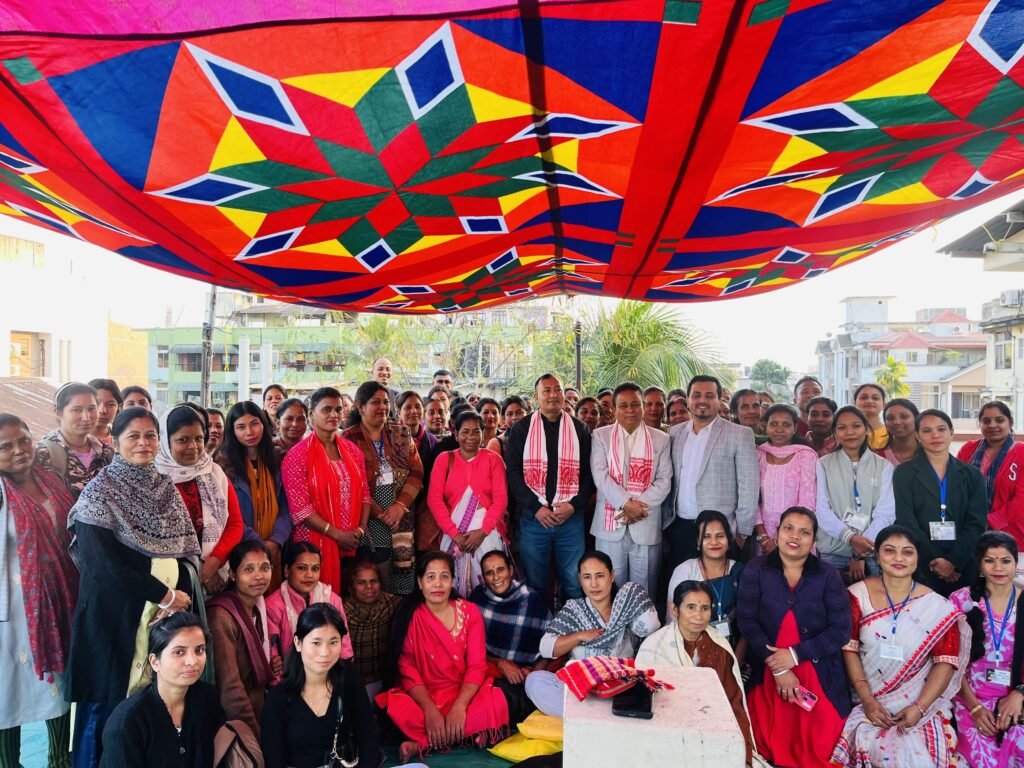
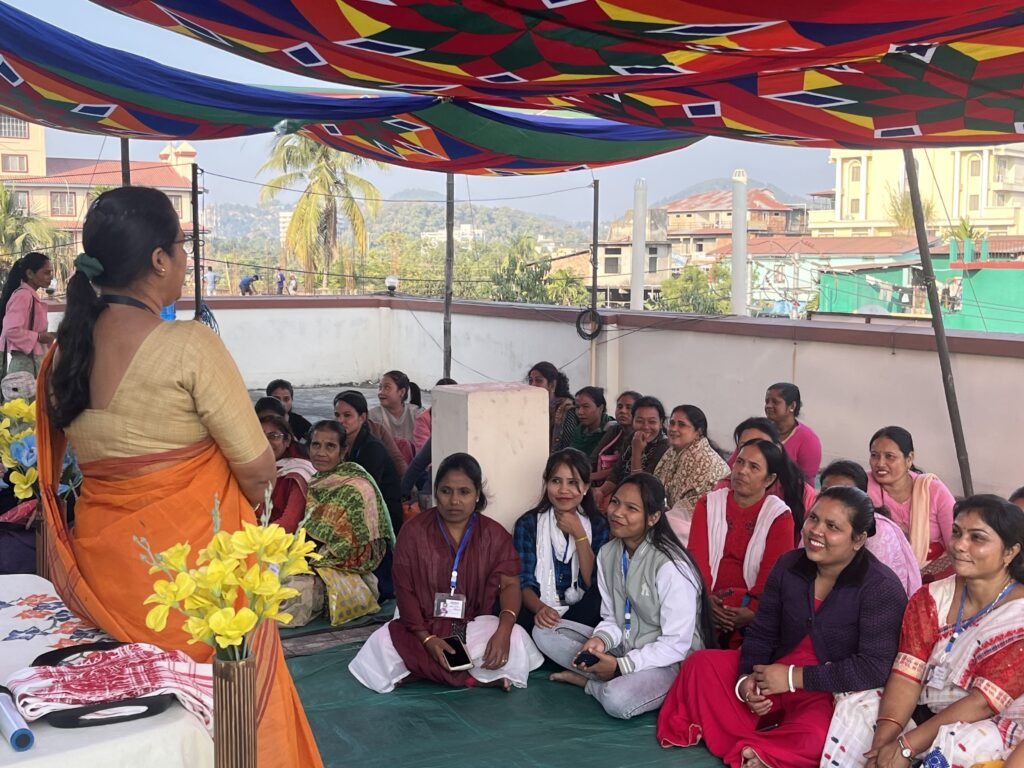
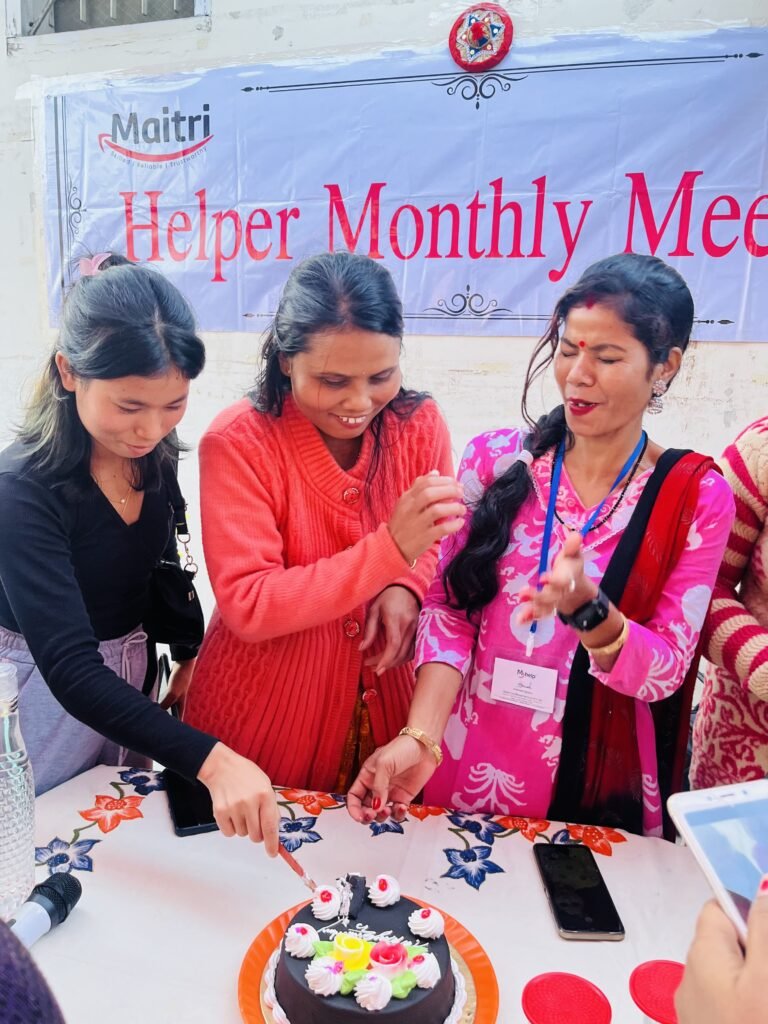
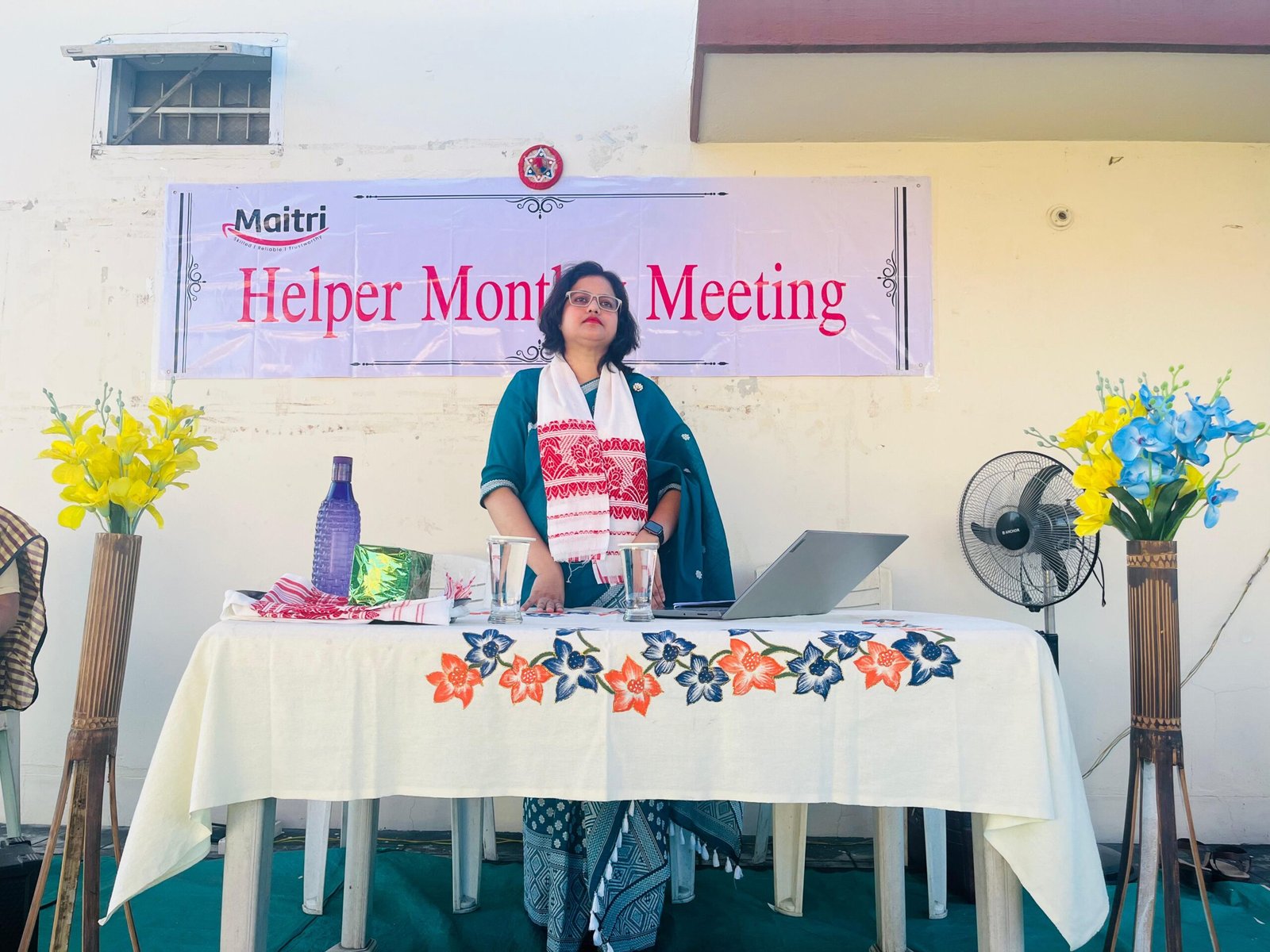
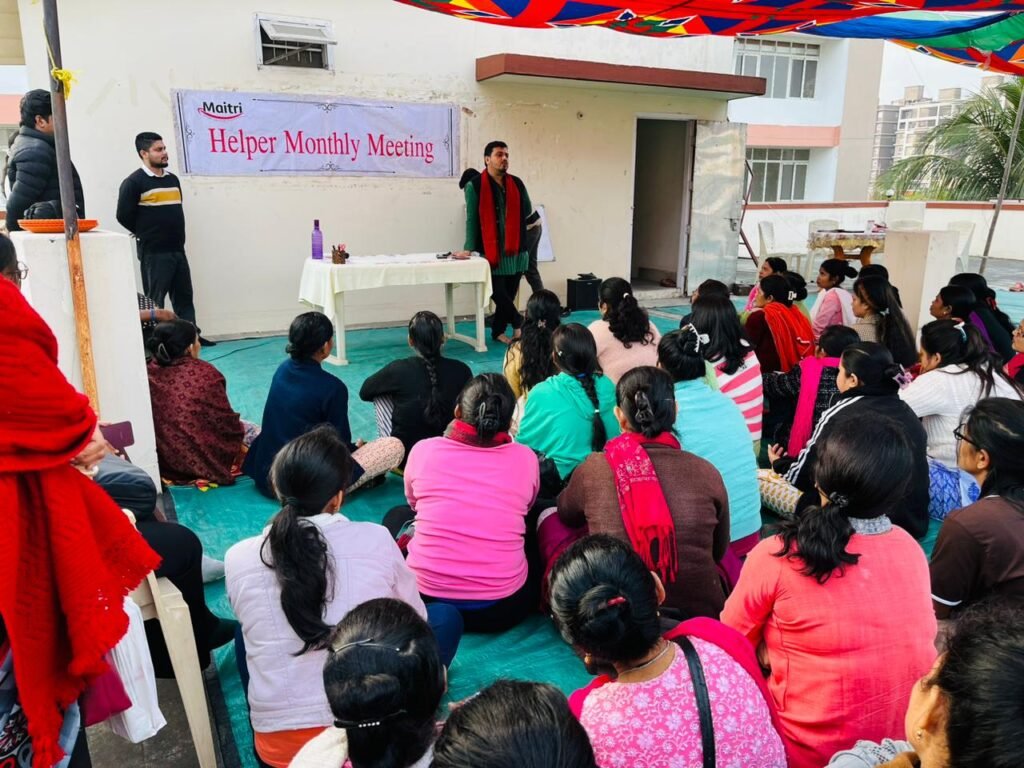
At Maitri, monthly helpers’ meetings are more than a calendar activity. They are moments where people pause, connect, learn from one another, and feel a sense of belonging. Every month, these gatherings bring helpers together in a space that feels safe, respectful, and inclusive. The focus is not just on work-related updates, but on people, their stories, and their strengths.
This month’s meeting held special meaning as it coincided with Magh Bihu, a festival deeply rooted in Assam’s culture. To mark the occasion, Maitri organised a Pitha Competition, turning the monthly meeting into a celebration of tradition, creativity, and shared heritage.
Celebrating Magh Bihu Through Tradition
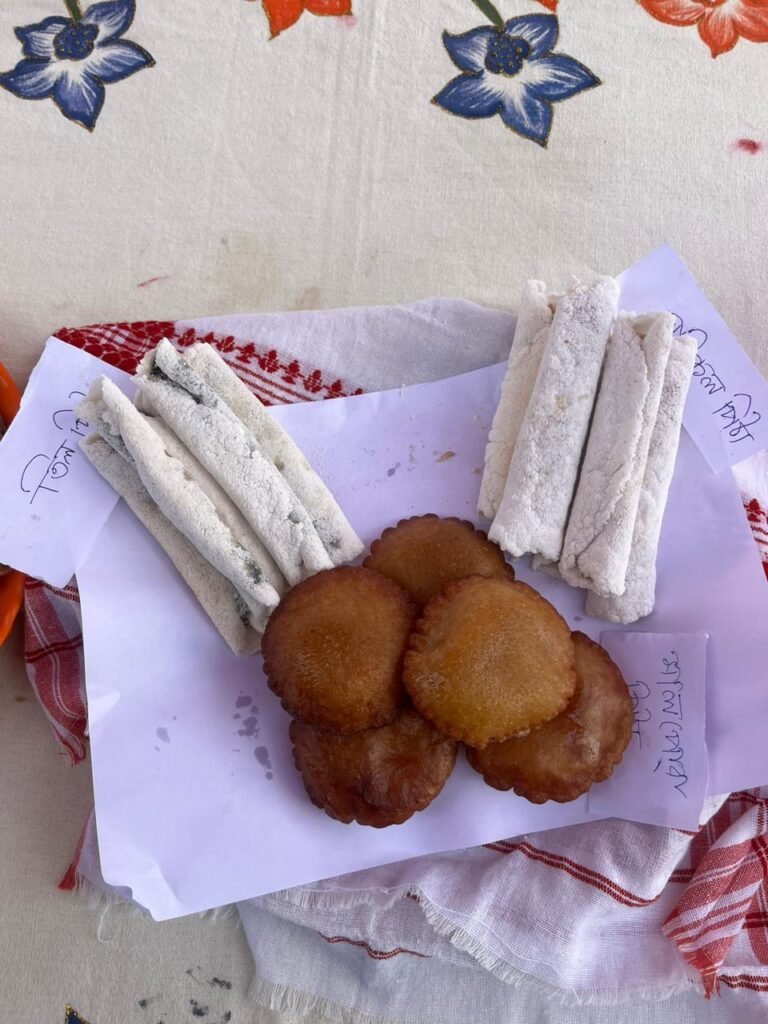
Magh Bihu is a festival of harvest, gratitude, and togetherness. Food plays a central role in the celebrations, especially pithas, which are traditional Assamese delicacies prepared in homes during this time. Recognising the cultural importance of the festival, Maitri decided to centre the monthly meeting around something familiar and close to the helpers’ hearts.
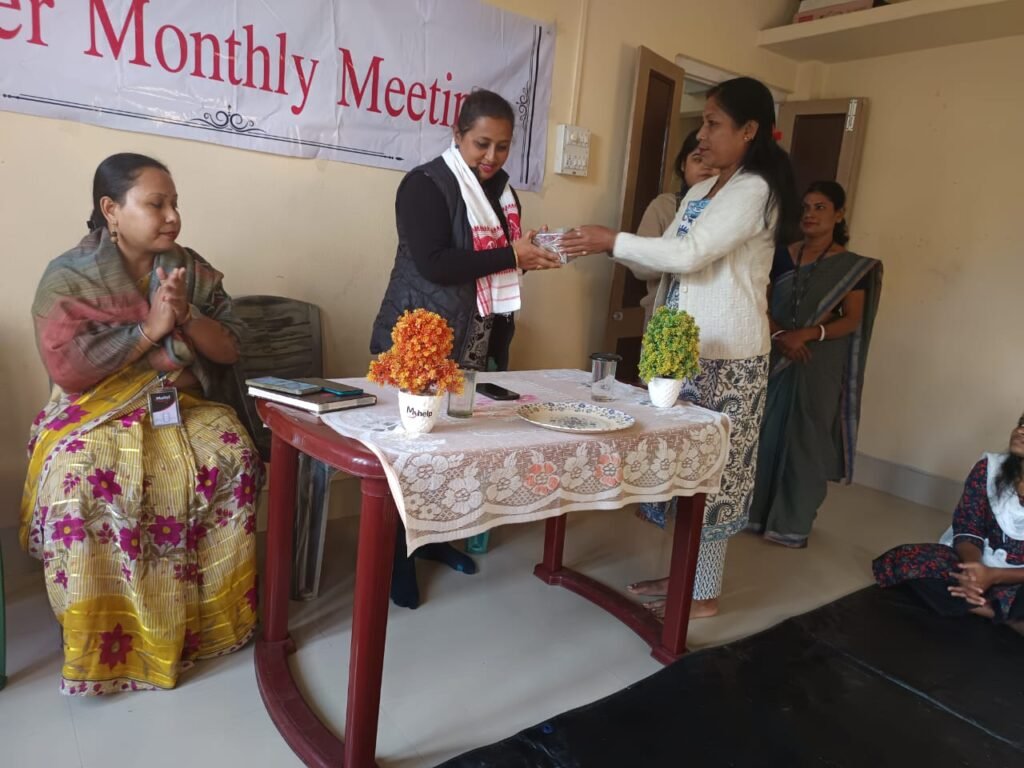
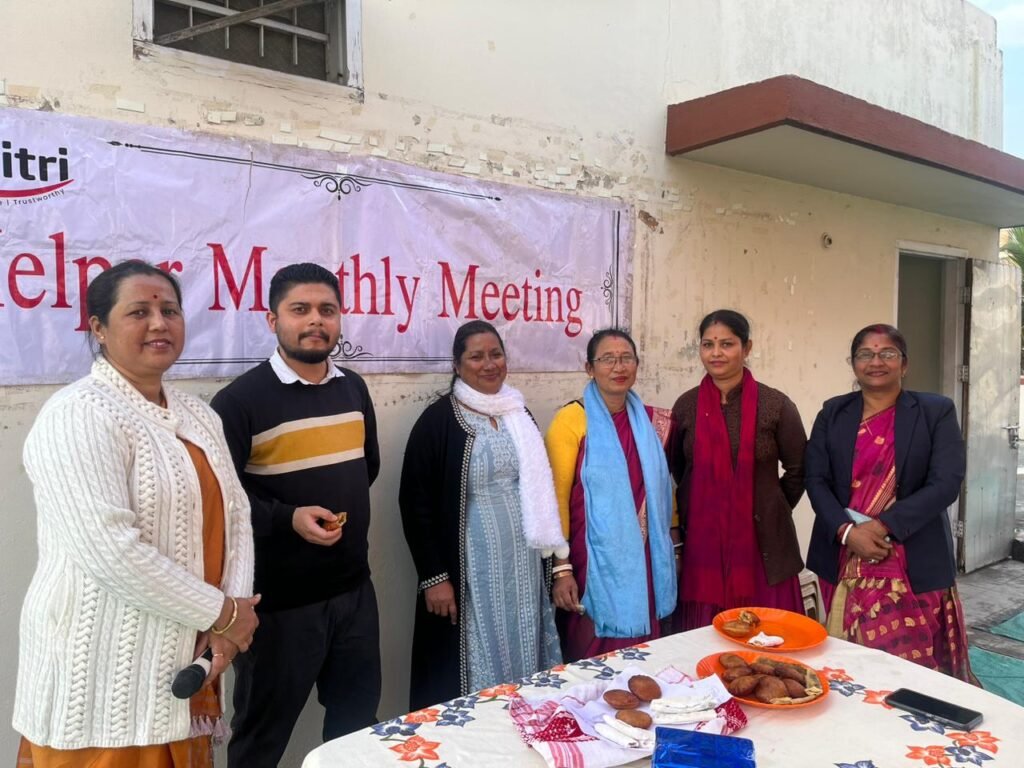
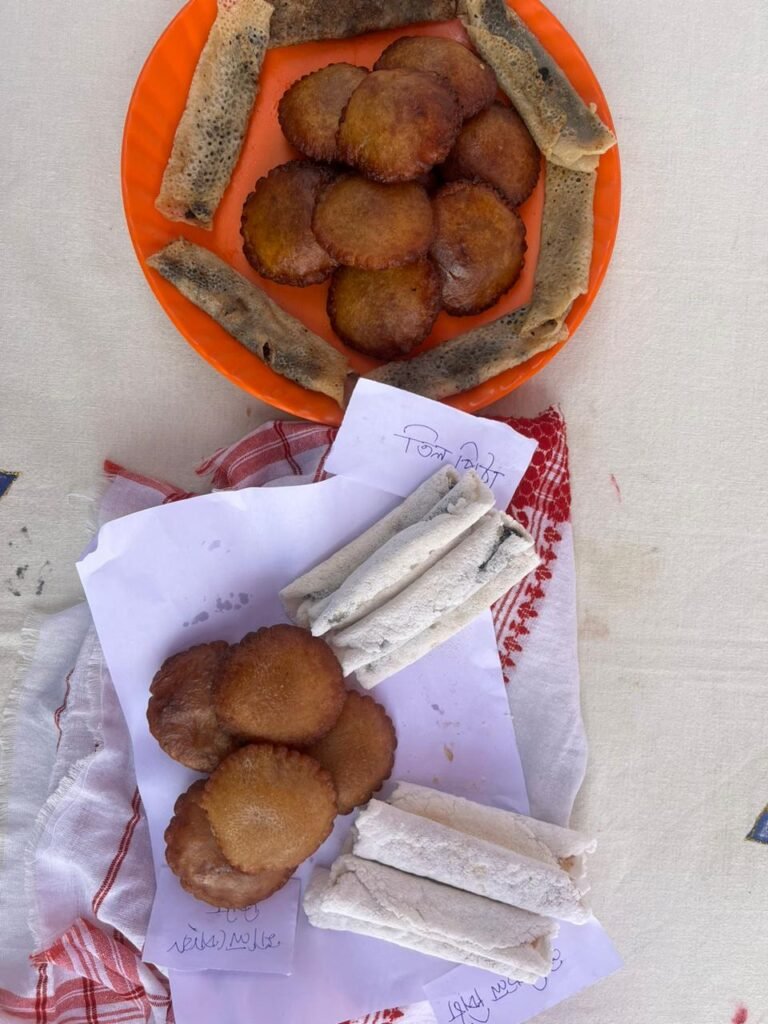
Helpers were invited to prepare traditional pithas at home and bring them to the meeting. The response was enthusiastic. From early preparation to proud presentation, the excitement was visible. Each participant brought a pitha that carried memories of family kitchens, festive mornings, and age-old recipes passed down through generations.
Sharing Stories, Not Just Recipes
What made the Pitha Competition truly meaningful was not just the food, but the stories behind it. During the meeting, helpers took turns presenting their pithas. They spoke about the ingredients used, explaining why certain rice varieties, jaggery, coconut, or sesame seeds were chosen. They described preparation methods, some learned from mothers or grandmothers, others adapted over time based on availability and convenience.
Many helpers also shared the cultural and festive significance of their pithas. Some were prepared during Magh Bihu as offerings, while others were meant to be shared with neighbours and guests. These conversations created a beautiful exchange of knowledge and traditions, reminding everyone that culture lives through people and everyday practices.
For many helpers, this was a rare opportunity to speak in front of a group, to be listened to with attention and respect. The confidence they showed while presenting was a reflection of how empowered they felt in that space.
Why Maitri Conducts Monthly Meetings
Maitri’s monthly helpers’ meetings are designed with one core belief: people thrive when they feel valued. These gatherings are not limited to attendance, rules, or instructions. They are built around connection.
Every month, the meetings aim to:
- Create open dialogue between helpers and the Maitri team
- Encourage learning, sharing, and mutual respect
- Build confidence and communication skills
- Strengthen bonds within the helper community
By including activities like cultural celebrations, skill-sharing sessions, and interactive discussions, Maitri ensures that helpers feel more than just associated with an organisation. They feel part of a community.
Beyond Routine Discussions
Unlike conventional meetings that focus only on operational matters, Maitri’s monthly meets intentionally go deeper. Cultural connection plays a big role, especially in a diverse society like ours. When helpers are encouraged to bring their traditions into the space, it creates familiarity and comfort.
Skill sharing happens naturally during these sessions. Whether it is cooking, storytelling, or problem-solving, helpers learn from one another. Confidence builds as they speak, present, and participate. Respect for traditions grows when everyone listens and appreciates each other’s backgrounds.
Most importantly, these meetings strengthen community bonding. Helpers who may otherwise never interact closely get to know one another, share laughter, and build trust.
Feeling Valued and Empowered
Activities like the Pitha Competition send a simple but powerful message to helpers: you matter. When someone’s knowledge, culture, and effort are acknowledged, it builds self-worth.
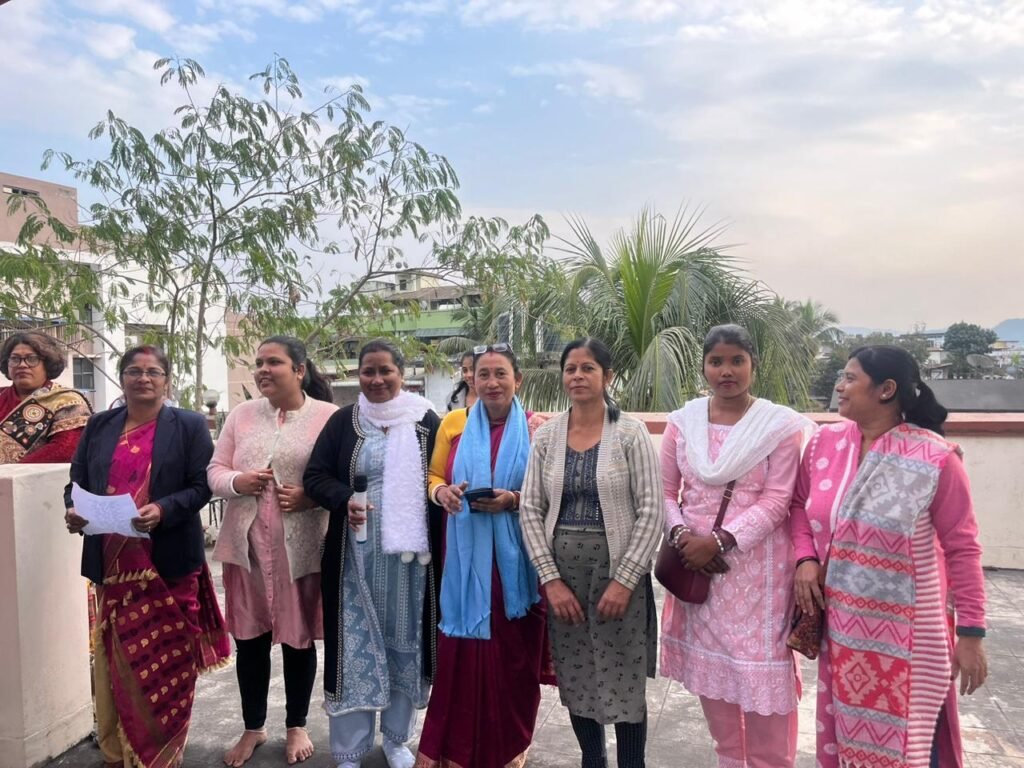
Many helpers expressed pride in being able to showcase something they are good at. For some, it was the first time their cooking skills were recognised outside their homes. For others, it was about preserving and sharing Assamese traditions.
This sense of being seen and heard has a lasting impact. It encourages helpers to engage more actively, communicate openly, and build long-term associations with Maitri.
Strengthening Trust Through Cultural Events
Trust is not built overnight. It grows through consistent actions, respect, and shared experiences. Cultural events like the Magh Bihu Pitha Competition help bridge gaps and deepen relationships.
When helpers see that Maitri values their culture and makes space for their voices, it reinforces trust. Over time, this trust translates into stronger relationships, better communication, and a more supportive ecosystem.
This approach plays an important role in maintaining quality and reliability within domestic help services in guwahati, where trust and long-term association matter deeply for both helpers and families.
Creating a Supportive Ecosystem
Families exploring or using domestic help services in guwahati often look for more than just availability. They seek reliability, dignity, and a sense of responsibility. Maitri’s focus on community building among helpers directly contributes to this.
When helpers feel supported and respected, it reflects in their work, their attitude, and their commitment. Monthly meetings like these ensure that helpers are not isolated individuals, but part of a connected and caring network.
For the larger Guwahati community, such initiatives highlight how social responsibility and cultural sensitivity can coexist with service delivery.
A Commitment That Goes Beyond Work
As the meeting came to a close, there was a sense of warmth that lingered. Plates of pithas were shared, conversations continued, and smiles said more than words could. It was a reminder that meaningful change often begins with small, thoughtful actions.
Through monthly helpers’ meetings, Maitri continues to uphold its commitment to dignity, culture, and community. These gatherings are not just about engagement, but about building an ecosystem where helpers feel respected and empowered, and where families can rely on ethical and humane domestic help services in guwahati.
In celebrating festivals like Magh Bihu together, Maitri reinforces a simple truth: when people are valued as individuals, communities grow stronger.